For couples navigating the emotional rollercoaster of infertility, the In Vitro Fertilization (IVF) journey is paved with immense hope, vulnerability, and anticipation. While medical advancements have drastically improved success rates over the last few decades, one of the most critical and challenging steps in the entire process remains the same: choosing the single best embryo for transfer.
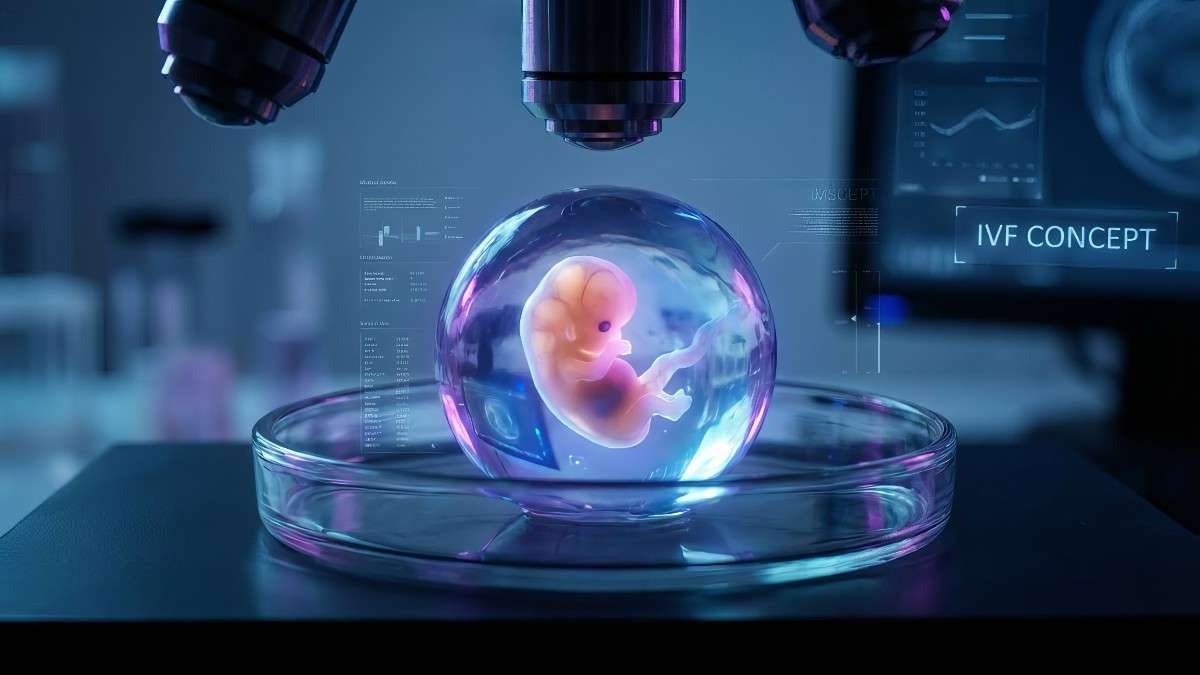
Historically, this selection process relied almost entirely on human observation. Today, a quiet revolution is taking place in embryology labs worldwide. By merging reproductive science with artificial intelligence, AI-based embryo selection is emerging as a game-changer, offering higher precision, shorter times to pregnancy, and renewed hope for intended parents.
At Vriksh Fertility, we believe in bringing the future of reproductive medicine to you today. Let’s explore how AI is transforming IVF and why it represents the future of building families.
The Challenge of Traditional Embryo Selection
To understand the brilliance of AI in fertility treatment, it helps to understand how embryologists traditionally select an embryo.
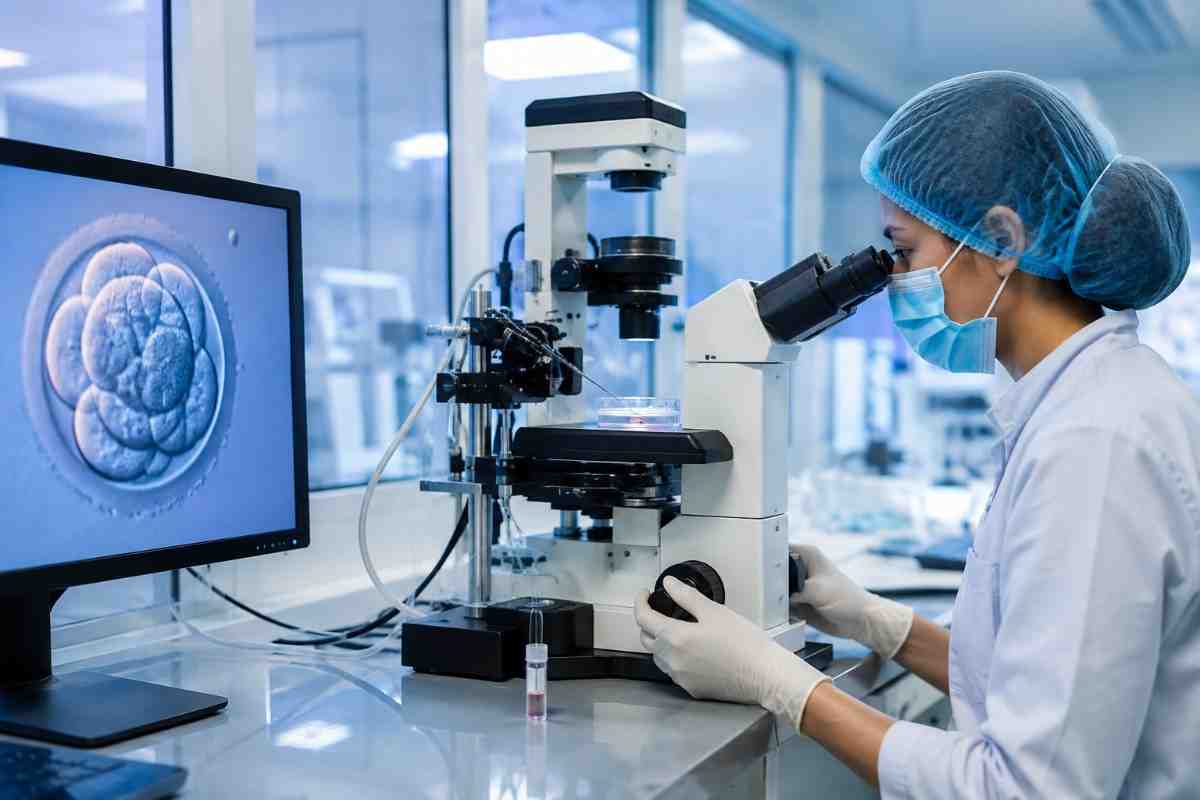
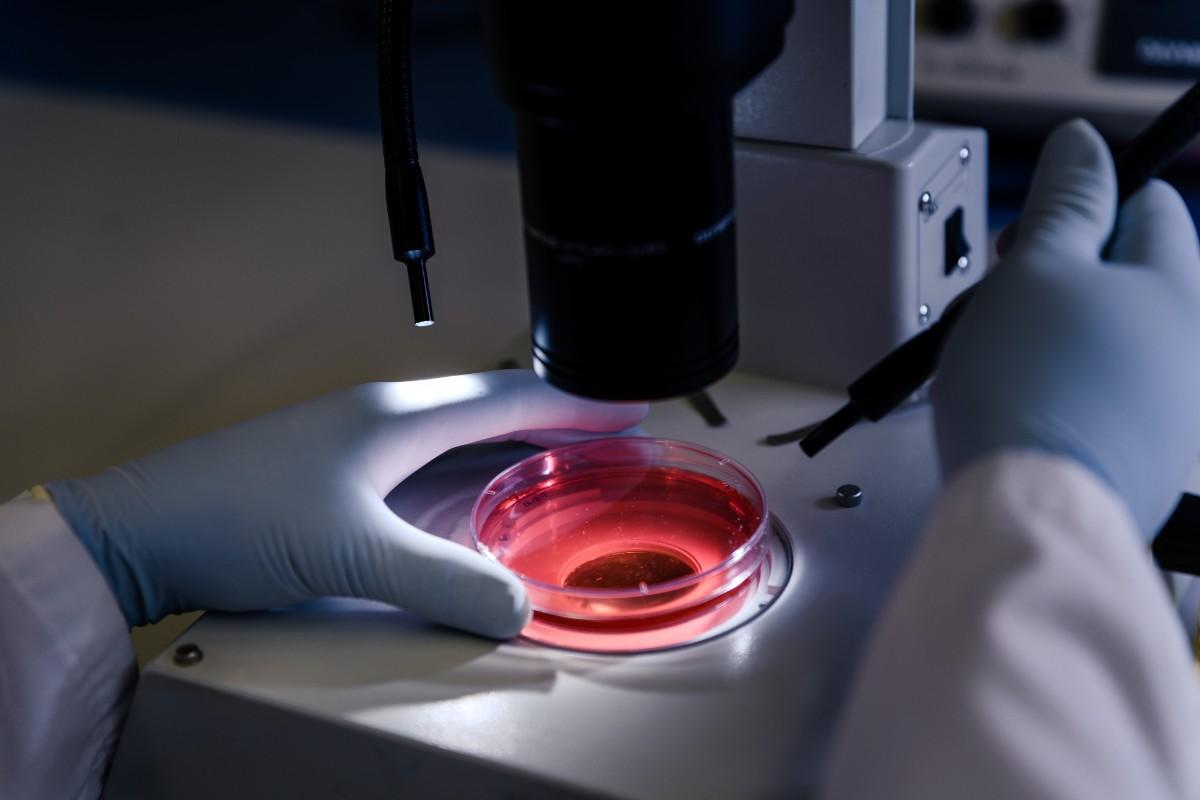
After eggs are fertilized in the lab, they are cultured for three to five days until they reach the blastocyst stage. During this time, an embryologist looks at the embryos under a microscope at specific time intervals. They grade each embryo based on visual criteria, such as:
- The number and symmetry of developing cells.
- The rate of cell division.
- The physical appearance of the inner cell mass (which becomes the baby) and the trophectoderm (which becomes the placenta).
While clinical embryologists are highly trained experts, traditional grading is inherently subjective. Two different embryologists might look at the exact same embryo and give it a different grade. Furthermore, because static microscopic evaluations only offer a brief "snapshot" in time, crucial milestones in an embryo's dynamic development might be missed unless the embryo is disturbed frequently.
Enter AI: How Machine Learning Redefines Embryology
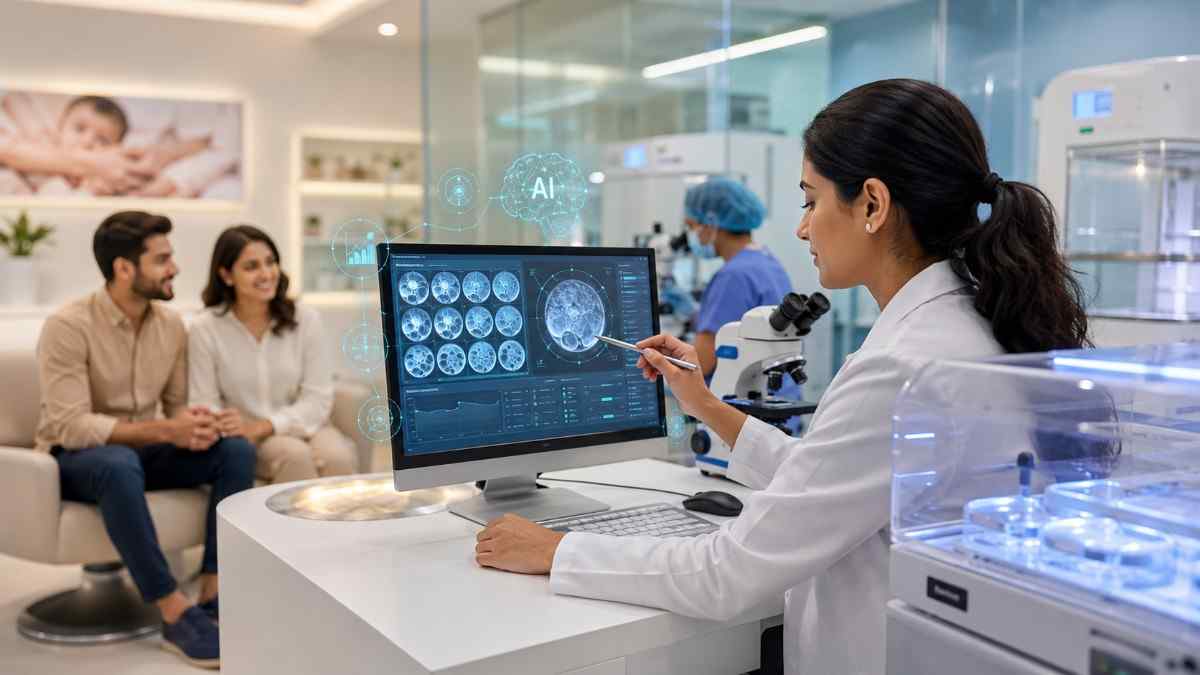
AI-based embryo selection removes subjectivity from the equation. Instead of relying solely on human eyes and periodic check-ins, AI platforms utilize deep learning algorithms trained on massive datasets comprising millions of embryo images and thousands of clinical IVF outcomes.
Here is how the technology seamlessly integrates into the modern IVF lab:
1. Continuous, Non-Invasive Monitoring (Time-Lapse Imaging)
AI works hand-in-hand with time-lapse incubator systems. These specialized incubators feature built-in cameras that capture thousands of images of the developing embryos every few minutes. The embryos never have to be removed from their optimal, controlled environment to be inspected.
2. Micro-Developmental Analysis
The AI algorithm reviews these continuous video feeds, analyzing subtle developmental milestones that are invisible to the human eye. It tracks the exact millisecond a cell divides, detects abnormal cleavage events, and evaluates the precise mathematical proportions of the embryo's structure.
3. Predictive Success Scoring
Once the analysis is complete, the AI generates an objective quality score for each embryo. This score correlates directly with the embryo's mathematical likelihood of successful implantation and a ongoing healthy pregnancy. The embryologist then uses this data-driven score to prioritize which embryo to transfer first.
The Core Benefits of AI in IVF
Integrating artificial intelligence into the embryology workflow offers several transformative benefits for patients.
Higher Success Rates in Fewer Cycles
The primary goal of IVF is a healthy baby, ideally achieved on the very first attempt. By identifying the embryo with the highest biological potential, AI significantly increases the chances of successful implantation during the initial transfer cycle, saving patients from the emotional and financial toll of repeated failed cycles.
Shorter "Time to Pregnancy"
When multiple embryos look identical under a traditional microscope, selecting the right one can involve a bit of educated trial and error. If the first transfer fails, the clinic moves to the next. AI minimizes this trial-and-error phase, helping patients achieve a successful pregnancy much faster.
Minimizing the Risk of Multiple Pregnancies
In the past, to compensate for selection uncertainty, clinics often transferred multiple embryos at once, leading to high-risk twin or triplet pregnancies. Because AI provides much greater confidence in a single embryo's viability, it strongly supports Elective Single Embryo Transfer (eSET), safeguarding the health of both mother and baby.
A Completely Non-Invasive Approach
While Preimplantation Genetic Testing (PGT-A) is an incredible tool for counting chromosomes, it requires a physical biopsy taking a few cells from the outer layer of the embryo. AI embryo selection is completely non-invasive. It evaluates viability purely through visual data, posing zero physical risk to the developing cells.
Human Expertise + Artificial Intelligence: The Perfect Synergy
It is important to clarify a common misconception: AI is not replacing human embryologists. Instead, it serves as an incredibly powerful assistant.
Think of AI as a co-pilot that never blinks, never gets tired, and possesses the collective memory of thousands of successful IVF cycles. The final decision always rests with the clinical embryologist and the fertility specialist. By combining the nuanced, compassionate judgment of a medical expert with the processing power of advanced algorithms, patients receive the most robust, well-rounded care possible.
Why Vriksh Fertility is Leading the Way
At Vriksh Fertility, our mission has always been to marry compassionate, patient-centered care with cutting-edge reproductive science. We understand that every fertility journey is deeply personal, and our investment in next-generation technologies like AI-driven embryology reflects our commitment to giving you the highest possible chance of success.
By eliminating guesswork and embracing data-backed precision, we are proud to offer our patients a smarter, safer, and more predictable path to parenthood.
If you are ready to explore how advanced IVF technology can make a difference in your fertility journey, reach out to the experts at Vriksh Fertility today. Let's grow your future, together.