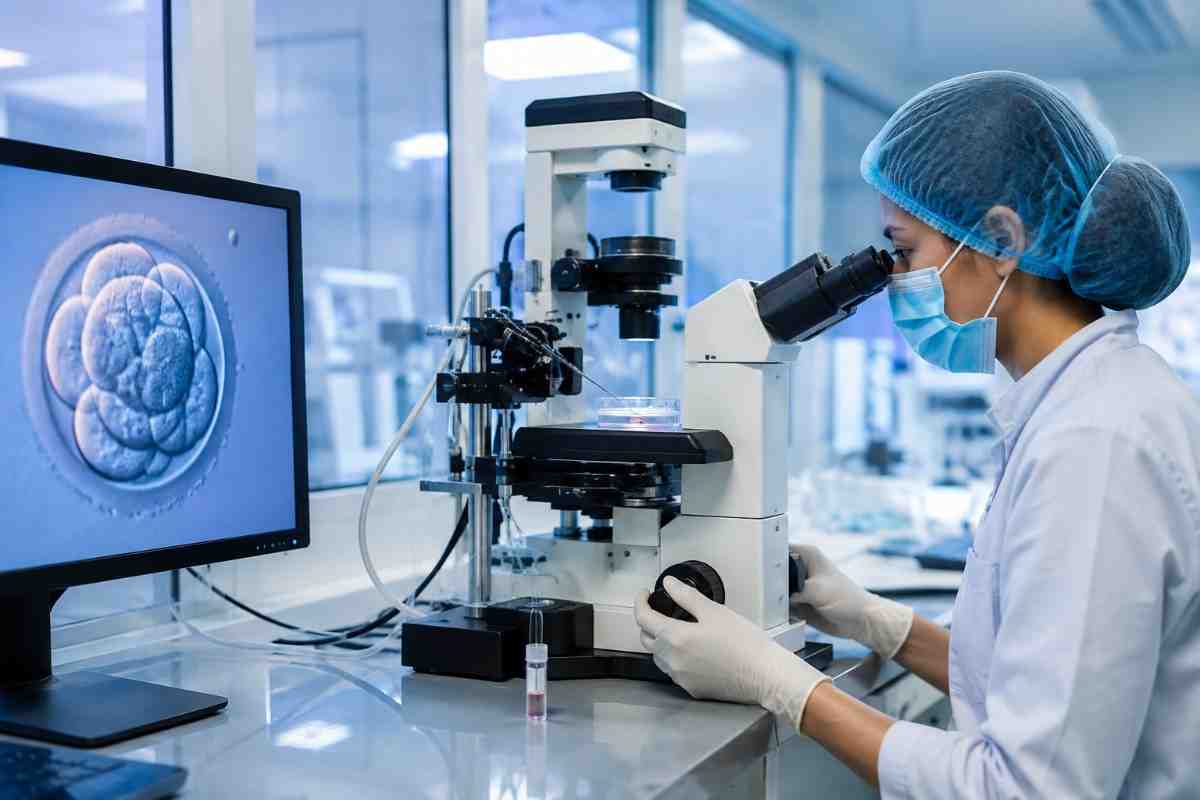
In recent years, Artificial Intelligence (AI) has revolutionized various aspects of healthcare, and fertility treatment is no exception. One of the most promising applications of AI in reproductive medicine is embryo selection during In Vitro Fertilization (IVF). Choosing the healthiest embryo is a critical step in improving pregnancy outcomes, reducing miscarriage risks, and increasing the chances of a successful live birth.
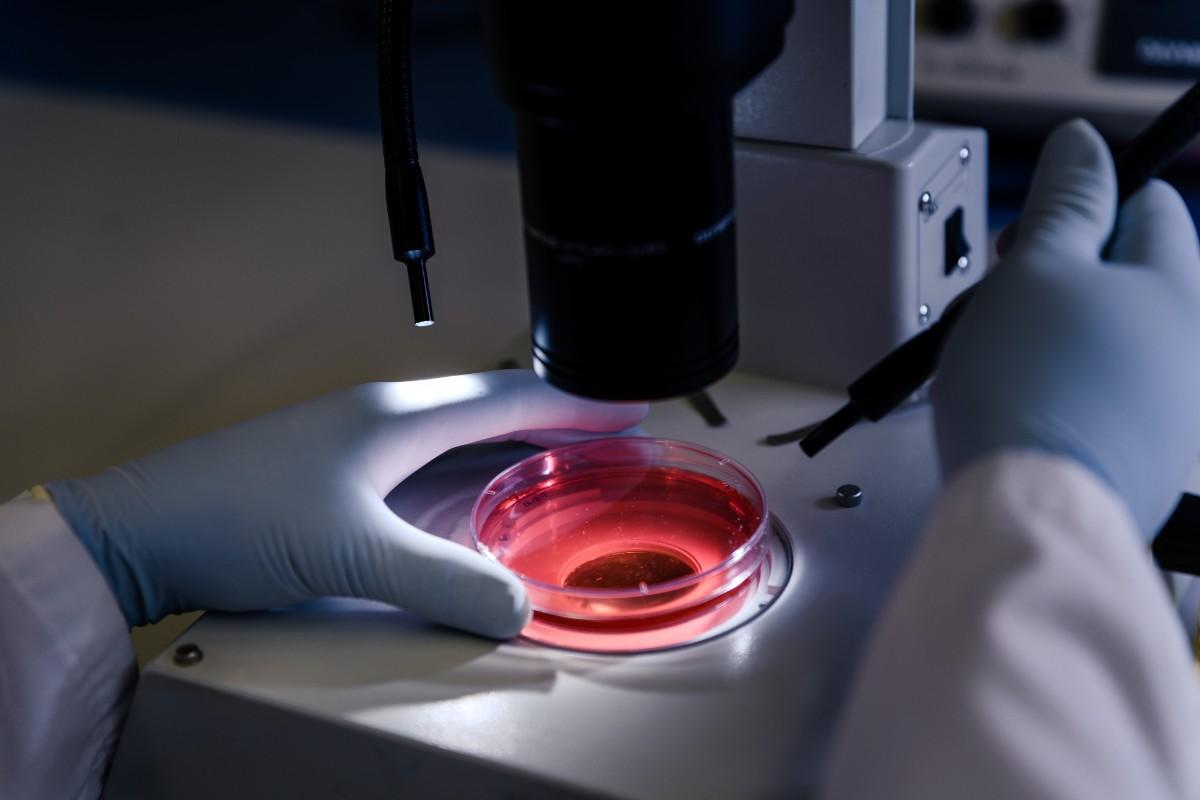
Traditionally, embryologists evaluate embryos based on their appearance and development patterns under a microscope. While this method has been effective for decades, it relies heavily on human observation and expertise. Today, AI-powered technologies are enhancing embryo assessment by analyzing vast amounts of data with remarkable precision and consistency.
This advancement is helping fertility specialists make more informed decisions, ultimately improving IVF success rates and offering new hope to couples struggling with infertility.
Understanding Embryo Selection in IVF
Embryo selection is one of the most important stages of the IVF process. After fertilization occurs in the laboratory, multiple embryos may develop. However, not every embryo has the same potential to result in a healthy pregnancy.
The goal of embryo selection is to identify the embryo with the highest likelihood of implantation and successful development. Traditionally, embryologists evaluate factors such as:
- Cell division patterns
- Embryo symmetry
- Blastocyst formation
- Fragmentation levels
- Growth rate
Although these parameters provide valuable information, embryo assessment can sometimes be subjective, with interpretations varying between experts. This is where AI is making a significant difference.
What is Artificial Intelligence in IVF?
Artificial Intelligence refers to computer systems capable of analyzing data, recognizing patterns, and making predictions based on advanced algorithms. In IVF, AI systems are trained using thousands of embryo images and clinical outcomes to identify characteristics associated with successful pregnancies.
By learning from extensive datasets, AI can detect subtle patterns that may not be visible to the human eye. These insights help embryologists select embryos more accurately and consistently.
AI does not replace fertility specialists; instead, it acts as a powerful decision-support tool that enhances their expertise and improves patient outcomes.
How AI-Powered Embryo Selection Works
Modern fertility clinics often use time-lapse imaging systems that continuously monitor embryo development without disturbing the culture environment.
AI software analyzes:
1. Embryo Morphology
The system evaluates the embryo's structure, shape, and appearance at various developmental stages. AI can identify subtle features associated with embryo viability that may be difficult for humans to detect.
2. Developmental Timing
AI tracks critical developmental milestones, such as cell division and blastocyst formation. Research suggests that embryos reaching these stages within specific timeframes may have higher implantation potential.
3. Pattern Recognition
Using machine learning algorithms, AI compares embryo development patterns with historical data from thousands of successful and unsuccessful IVF cycles.
4. Predictive Scoring
The software generates an embryo ranking or score, indicating the likelihood of implantation and pregnancy success. Fertility specialists use this information alongside clinical judgment to select the best embryo.
Benefits of AI in Embryo Selection
Improved Accuracy
AI can analyze large amounts of data objectively, reducing variability in embryo assessment. This leads to more consistent embryo grading and selection.
Higher IVF Success Rates
By identifying embryos with the highest implantation potential, AI may increase the likelihood of successful pregnancies and live births.
Reduced Human Bias
Even experienced embryologists can have slight differences in interpretation. AI introduces a standardized evaluation process that minimizes subjectivity.
Better Single Embryo Transfer Decisions
Many fertility clinics encourage single embryo transfer to reduce the risk of multiple pregnancies. AI helps identify the strongest embryo, making single embryo transfer more effective.
Enhanced Efficiency
AI-assisted systems can process and analyze embryo data quickly, helping embryologists focus on other critical aspects of patient care.
Improved Patient Confidence
Couples undergoing IVF often face emotional stress and uncertainty. Knowing that advanced technology is being used to support embryo selection can provide reassurance and confidence in the treatment process.
AI and Time-Lapse Imaging: A Powerful Combination
One of the most significant developments in IVF laboratories is the integration of AI with time-lapse imaging technology.
Time-lapse incubators capture thousands of images throughout embryo development. These images create a detailed developmental timeline that AI can analyze comprehensively.
Benefits of combining AI and time-lapse imaging include:
- Continuous embryo monitoring without disturbance
- More accurate assessment of developmental milestones
- Better prediction of embryo viability
- Enhanced embryo ranking systems
- Increased laboratory efficiency
This combination is becoming increasingly popular in advanced fertility centers worldwide.
Can AI Improve Pregnancy Outcomes?
Several studies suggest that AI-assisted embryo selection has the potential to improve IVF outcomes. By identifying embryos with higher implantation potential, AI may contribute to:
- Increased pregnancy rates
- Improved implantation success
- Reduced miscarriage risk
- Better live birth outcomes
- Fewer IVF cycles needed to achieve pregnancy
However, it is important to understand that IVF success depends on multiple factors, including:
- Maternal age
- Egg quality
- Sperm quality
- Uterine health
- Underlying fertility conditions
AI enhances embryo selection but cannot guarantee pregnancy. It should be viewed as an advanced tool that supports clinical decision-making rather than a standalone solution.
Limitations of AI in Embryo Selection
While AI offers numerous advantages, it also has certain limitations.
Data Dependency
AI systems rely on large datasets for training. The quality and diversity of data can influence the accuracy of predictions.
Not a Replacement for Experts
AI cannot replace the expertise of fertility specialists and embryologists. Human oversight remains essential in IVF treatment.
Cost Considerations
Advanced AI and time-lapse imaging technologies may increase treatment costs in some fertility clinics.
Ongoing Research
Although results are promising, researchers continue to study the long-term effectiveness of AI-assisted embryo selection across different patient populations.
The Future of AI in Fertility Treatment
The role of AI in reproductive medicine is expected to expand significantly in the coming years. Future applications may include:
Personalized IVF Treatment
AI may help create individualized treatment plans based on patient characteristics, hormone levels, and medical history.
Predicting IVF Success
Advanced algorithms could provide more accurate predictions of treatment outcomes before IVF begins.
Genetic Risk Assessment
AI may assist in interpreting complex genetic testing results, helping identify embryos with the best chances of healthy development.
Laboratory Automation
Automated systems powered by AI could further improve laboratory precision, efficiency, and consistency.
As technology continues to evolve, AI is likely to become an increasingly valuable component of fertility care.
Conclusion
Artificial Intelligence is transforming embryo selection in IVF by bringing greater accuracy, consistency, and data-driven decision-making to fertility treatment. Through advanced image analysis, pattern recognition, and predictive modeling, AI helps embryologists identify embryos with the highest potential for successful implantation and pregnancy.
While AI cannot replace the expertise of fertility specialists, it serves as a powerful tool that enhances clinical judgment and supports better patient outcomes. As research advances and technology continues to improve, AI is expected to play an even greater role in helping couples achieve their dream of parenthood.
For individuals considering IVF, understanding how AI-assisted embryo selection works can provide valuable insight into the innovative technologies shaping the future of fertility treatment.