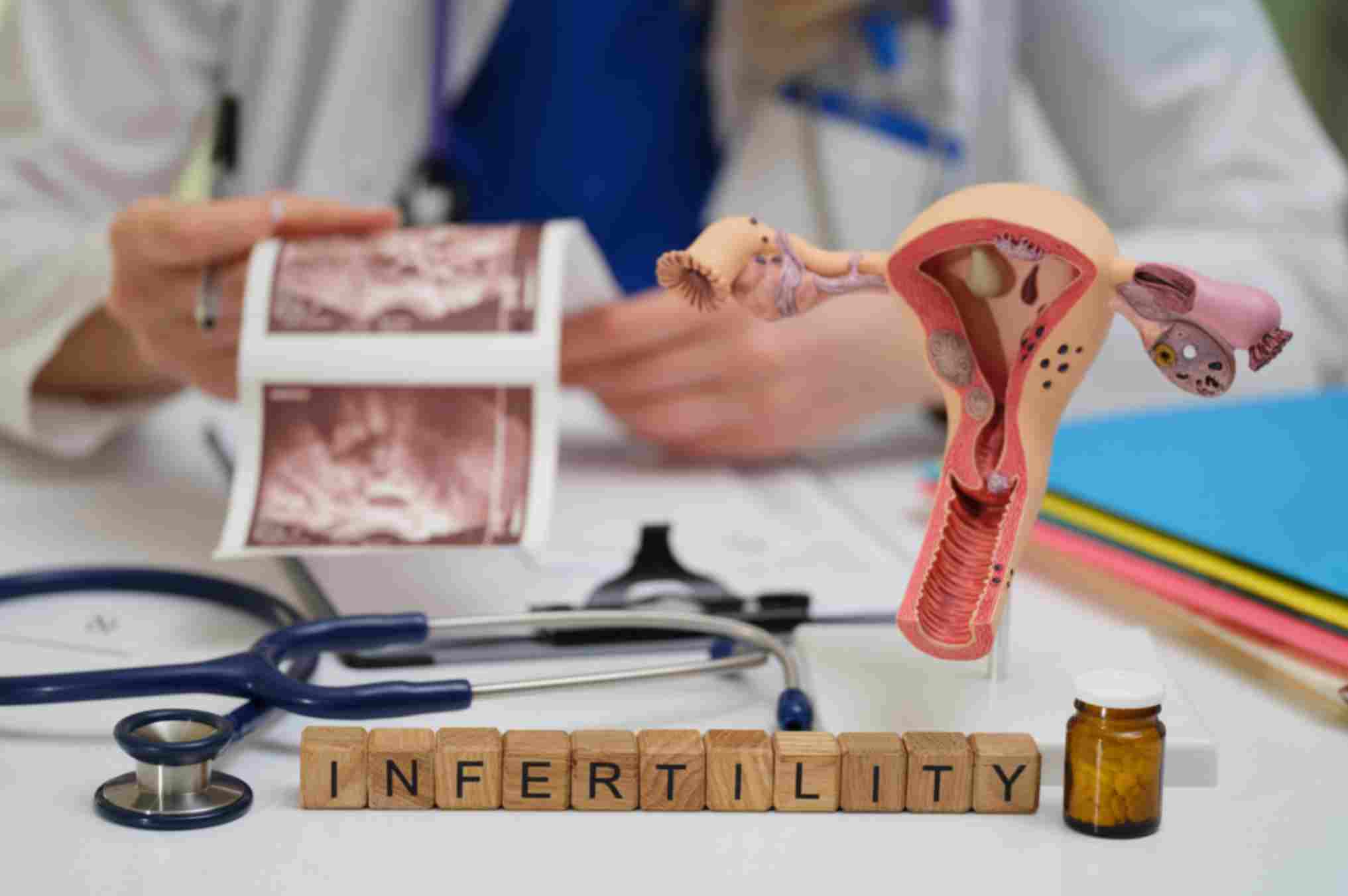

Infertility can be an emotional and stressful journey for many couples. While some conceive naturally within a few months, others may face challenges that require medical support. If you’ve been trying to get pregnant without success, it may be time to explore assisted reproductive treatments like IUI (Intrauterine Insemination).
Understanding when to seek help is crucial. In this blog, we’ll explore the key signs that indicate you may need IUI treatment and how it can help you achieve your dream of parenthood.
What is IUI Treatment?
IUI, or Intrauterine Insemination, is a fertility treatment where specially prepared sperm is directly placed into the uterus during ovulation. This increases the chances of fertilization by bringing sperm closer to the egg.
Compared to other treatments like IVF, IUI is less invasive, more affordable, and often recommended as a first-line treatment for certain fertility issues.
When Should You Consider IUI?
Not every couple struggling to conceive needs advanced fertility treatments. However, certain conditions and symptoms indicate that IUI may be beneficial.
Here are some key signs to watch out for:
1. You’ve Been Trying for Over a Year Without Success
If you are under 35 and have been trying to conceive for over 12 months (or 6 months if over 35), it may signal an underlying fertility issue.
IUI can help improve your chances by optimizing the timing of fertilization and enhancing sperm delivery.
2. Unexplained Infertility
In some cases, all test results may come back normal, yet pregnancy doesn’t happen. This condition is known as unexplained infertility.
IUI is often recommended as the first treatment option in such cases because it increases the probability of sperm meeting the egg.
3. Mild Male Factor Infertility
Low sperm count, poor motility (movement), or minor abnormalities in sperm quality can make natural conception difficult.
During IUI, sperm is processed and concentrated, allowing only the healthiest sperm to be used—thereby improving the chances of fertilization.
4. Irregular Ovulation or PCOS
Conditions like PCOS (Polycystic Ovary Syndrome) can cause irregular ovulation, making it harder to conceive naturally.
IUI is often combined with ovulation-inducing medications to ensure that eggs are released at the right time, increasing the chances of pregnancy.
5. Cervical Issues
Sometimes, the cervical mucus may be too thick or hostile, preventing sperm from reaching the egg.
IUI bypasses the cervix entirely by placing sperm directly into the uterus, eliminating this barrier.
6. Endometriosis (Mild Cases)
Women with mild endometriosis may face challenges in natural conception due to inflammation or pelvic environment changes.
IUI can help by improving the chances of fertilization, especially when combined with fertility medications.
7. Ejaculation or Sexual Dysfunction
Conditions such as erectile dysfunction or ejaculation issues can make natural conception difficult.
In such cases, IUI provides a controlled method of sperm delivery, removing physical barriers to conception.
8. Donor Sperm Requirement
For single women or couples with severe male infertility, donor sperm may be required.
IUI is commonly used in such cases as it is a simple and effective way to achieve pregnancy.
How Does the IUI Procedure Work?
The IUI process typically involves the following steps:
- Ovulation Monitoring: Doctors track your cycle using scans or medications.
- Sperm Preparation: A semen sample is collected and processed in the lab.
- Insemination: The prepared sperm is inserted directly into the uterus using a thin catheter.
- Post-Procedure: You can resume normal activities shortly after.
The procedure is quick, usually painless, and does not require hospitalization.
Success Rates of IUI
The success of IUI depends on several factors, including age, fertility condition, and overall health.
- Women under 35 generally have higher success rates
- Success improves when combined with fertility medications
- Multiple cycles may be recommended for better results
While IUI may not guarantee pregnancy in one attempt, it significantly increases the chances compared to natural methods in certain cases.
Benefits of IUI Treatment
- Less invasive compared to IVF
- More affordable fertility option
- Minimal discomfort and quick procedure
- Suitable for various mild fertility issues
- Can be repeated across cycles
When to Consult a Fertility Specialist?
If you notice any of the above signs, it’s important to consult a fertility expert early. Delaying treatment can reduce success rates, especially with increasing age.
At Vriksh Fertility Centre, experienced specialists provide personalized fertility evaluations and recommend the best treatment options, including IUI, tailored to your needs.
Emotional Support During Fertility Treatment
Struggling to conceive can be emotionally challenging. It’s important to:
- Stay informed and proactive
- Communicate openly with your partner
- Seek guidance from trusted fertility experts
- Consider counseling if needed
Remember, you are not alonemany couples successfully conceive with the help of treatments like IUI.
Conclusion
If you’ve been struggling to conceive, recognizing the early signs and seeking timely medical advice can make a significant difference. IUI treatment offers a safe, effective, and less invasive solution for many couples facing fertility challenges.
By understanding your body and exploring the right treatment options, you can take a confident step toward parenthood. If you suspect any fertility issues, don’t hesitate to consult a specialist and explore whether IUI is the right choice for you.