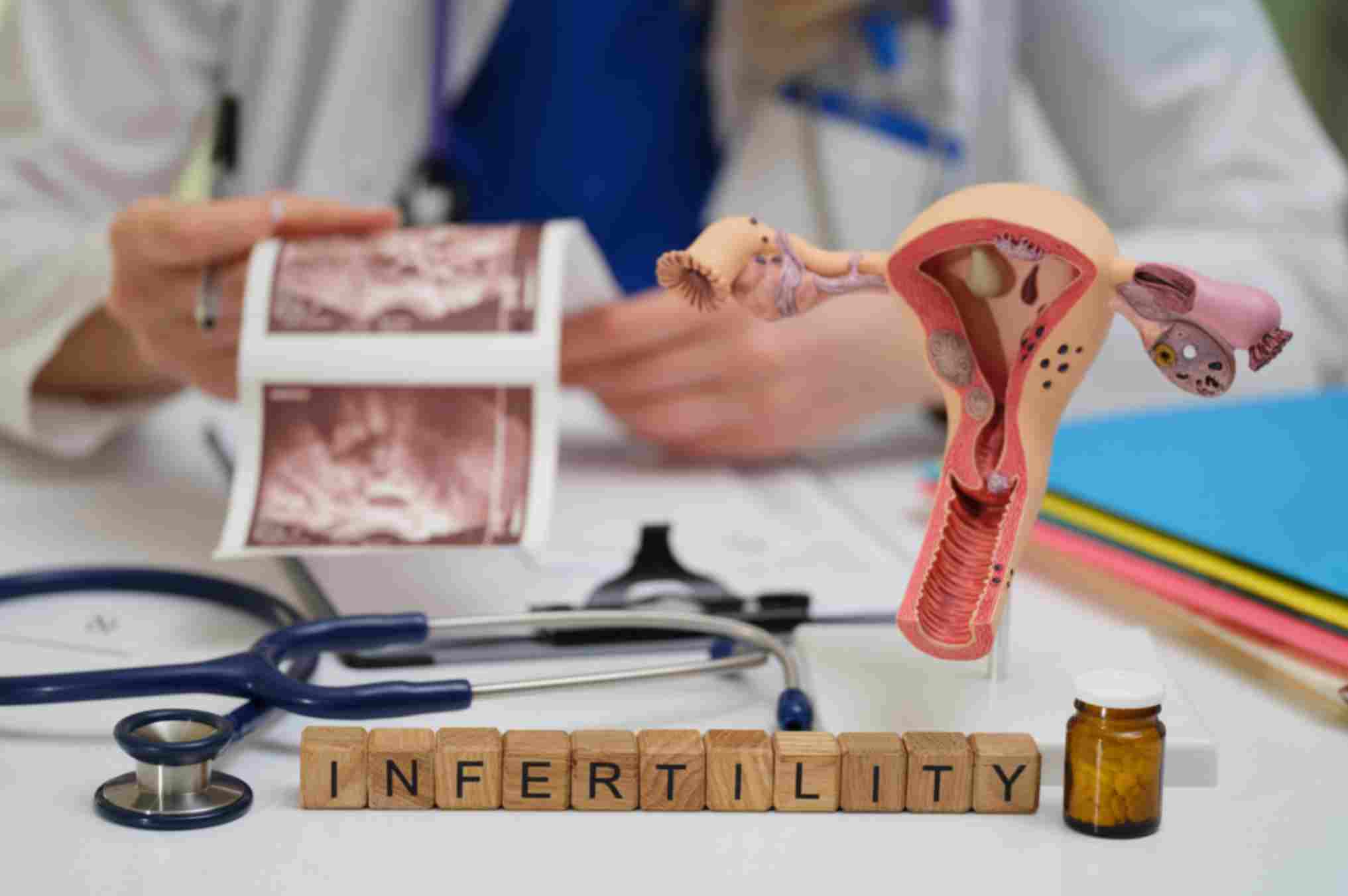

Intrauterine Insemination (IUI) is one of the most commonly recommended fertility treatments for couples trying to conceive. While medical expertise and timing play a crucial role in IUI success, your lifestyle choices can significantly influence the outcome. Making simple yet effective changes to your daily routine can improve your overall reproductive health and increase the chances of a successful pregnancy.
In this blog, we will explore natural lifestyle tips that can enhance IUI success and support your fertility journey.
Understanding IUI and Its Success Factors
IUI is a fertility treatment where specially prepared sperm is placed directly into the uterus during ovulation. This increases the chances of fertilization by bringing sperm closer to the egg.
However, success depends on several factors such as:
- Age of the woman
- Hormonal balance
- Sperm quality
- Uterine health
- Lifestyle habits
While some factors are beyond control, lifestyle improvements can make a meaningful difference.
1. Maintain a Healthy Body Weight
Your weight plays a major role in fertility. Being underweight or overweight can disrupt hormonal balance and ovulation.
- Underweight women may experience irregular periods or lack of ovulation
- Overweight women may face hormonal imbalances such as insulin resistance
What you can do:
- Aim for a BMI between 18.5 and 24.9
- Focus on gradual weight management
- Avoid crash diets
A balanced weight improves hormone function and increases the chances of successful implantation.
2. Follow a Fertility-Boosting Diet
Nutrition is the foundation of reproductive health. A well-balanced diet can improve egg quality, sperm health, and uterine environment.
Include:
- Fresh fruits and vegetables (rich in antioxidants)
- Whole grains
- Lean proteins (eggs, fish, legumes)
- Healthy fats (nuts, seeds, olive oil)
Avoid:
- Processed foods
- Excess sugar
- Trans fats
Key nutrients for IUI success:
- Folic acid
- Iron
- Omega-3 fatty acids
- Vitamin D
A nutrient-rich diet helps regulate hormones and supports reproductive function.
3. Stay Physically Active
Regular exercise improves blood circulation, reduces stress, and balances hormones all essential for fertility.
Best practices:
- Engage in moderate exercise like walking, yoga, or swimming
- Aim for 30 minutes a day, 5 days a week
- Avoid excessive or intense workouts
Over-exercising can negatively affect ovulation, so maintaining balance is key.
4. Manage Stress Effectively
Stress is one of the most overlooked factors affecting fertility. High stress levels can interfere with hormone production and ovulation.
Natural stress-relief techniques:
- Meditation and mindfulness
- Deep breathing exercises
- Yoga
- Journaling
- Spending time in nature
Emotional well-being plays a significant role in improving IUI outcomes.
5. Get Quality Sleep
Sleep is essential for hormonal regulation and overall health. Poor sleep can disrupt reproductive hormones like estrogen and progesterone.
Tips for better sleep:
- Aim for 7–8 hours of sleep per night
- Maintain a consistent sleep schedule
- Avoid screens before bedtime
- Create a relaxing bedtime routine
Good sleep supports ovulation and improves overall fertility.
6. Avoid Smoking and Alcohol
Smoking and alcohol consumption can significantly reduce fertility in both men and women.
Effects include:
- Poor egg quality
- Reduced sperm count and motility
- Increased risk of miscarriage
Recommendation:
- Completely avoid smoking
- Limit or eliminate alcohol intake
Making these changes can greatly improve your chances of IUI success.
7. Stay Hydrated
Water plays a crucial role in maintaining cervical mucus and overall reproductive health.
Benefits of hydration:
- Improves cervical mucus quality
- Supports blood flow to reproductive organs
- Helps detoxify the body
Aim to drink at least 2–3 liters of water daily.
8. Track Ovulation Accurately
Timing is everything in IUI. Understanding your ovulation cycle increases the chances of success.
How to track:
- Ovulation predictor kits
- Basal body temperature
- Ultrasound monitoring (as advised by doctor)
Accurate tracking ensures that IUI is performed at the optimal time.
9. Limit Caffeine Intake
While moderate caffeine intake is generally safe, excessive consumption may affect fertility.
Recommended limit:
- Keep caffeine intake below 200 mg per day (about 1–2 cups of coffee)
Switching to herbal teas or decaf options can be beneficial.
10. Follow Medical Advice Strictly
Lifestyle changes work best when combined with proper medical guidance.
- Take prescribed medications on time
- Attend all appointments
- Follow your doctor’s instructions carefully
Consistency and discipline are crucial during your IUI cycle.
11. Focus on Emotional Support
The fertility journey can be emotionally challenging. Having a support system can make a big difference.
Consider:
- Talking to your partner openly
- Joining support groups
- Seeking counseling if needed
A positive mindset can improve overall well-being and treatment outcomes.
Conclusion
Improving IUI success naturally is not about drastic changes but about consistent, healthy lifestyle choices. From maintaining a balanced diet and healthy weight to managing stress and ensuring proper sleep, every small step contributes to better fertility outcomes.
While IUI is a medical procedure, your daily habits play a powerful supporting role. By adopting these lifestyle tips, you can create the best possible environment for conception and increase your chances of success.
Remember, every fertility journey is unique. Stay patient, stay positive, and trust the process.