What is Intrauterine Insemination (IUI)?
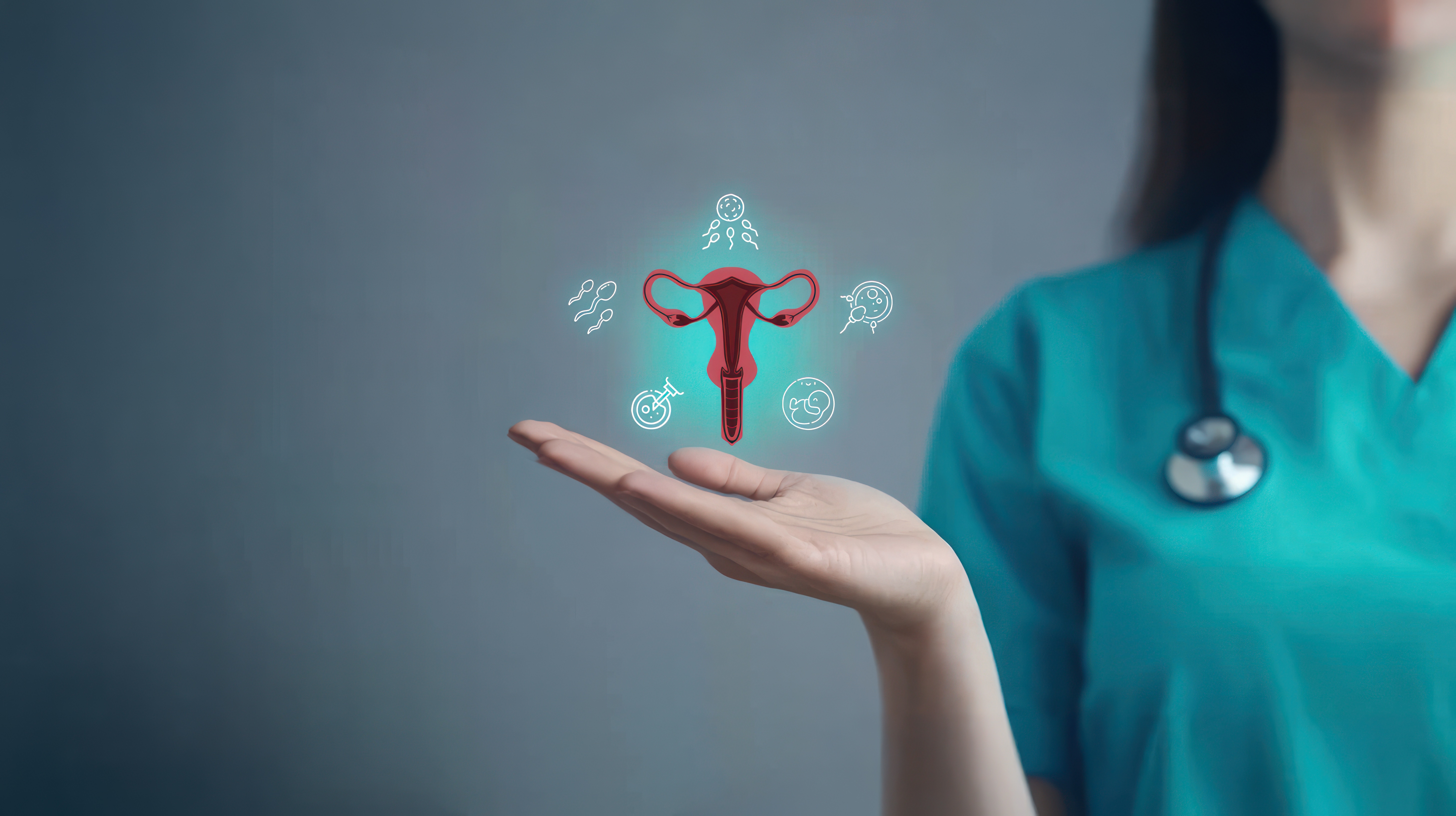
Sperm is inserted directly into a woman's uterus during intrauterine insemination (IUI), a form of artificial insemination.,Sperm must move from the vagina through the cervix, into the uterus, and into the fallopian tubes in order for a natural conception. The percentage of sperm that can go from the vagina to the uterus is about 5%. Once the ovary releases an egg, it travels to the fallopian tube. This is where the sperm and egg meet and fertilization occurs.,Only high-quality sperm are left after the sperm is collected, cleaned, and concentrated during IUI. A catheter, or thin tube, is used to insert this sperm directly into the uterus, thereby bringing it closer to the fallopian tubes. IUI reduces the sperm's journey time and distance, making it easier for it to reach an egg.
Good Candidates for IUI
Couples who have difficulty conceiving naturally.,Men with low sperm count or poor sperm motility.,Men with ejaculation or erectile dysfunction.,Women with cervical mucus problems.,Women who experience irregular ovulation.
The IUI Process Step-by-Step
Ovarian Stimulation starts 2-4 days into the woman's cycle. You'll start taking fertility medication to facilitate egg development.,During the medicated IUI cycle ovulation is triggered by another medication.,For a successful IUI procedure, there needs to be a careful analysis of the semen. Sperm samples are taken from donors and evaluated for morphology, motility, and count.,The insemination procedure is done with the patient in a reclined position, similar to a routine Pap smear.,Following the intrauterine insemination, patients will remain lying down for just a bit longer before sitting up and getting dressed. Patients can return to their normal daily routing immediately after the procedure is performed.
How many IUI attempts are required for success?
IUIs have a 90–95% success rate in three or four attempts, according to numerous research. But this varies according to age. The success percentage of an IUI cycle for a woman under 35 is 10 to 20% on the first try and rises to 30 to 60% after a few more tries.
Intrauterine Insemination Success Rates Factors
Age and underlying fertility problems are two of the variables that affect the IUI procedure's success rate.
Age of the Intended Mother
Age plays a critical role in IUI success. Fertility specialists generally recommend IUI before the age of 40.,Pregnancy rates for IUI by age are:,Age 20–30: 17.6%,Age 31–35: 13.3%,Age 36–38: 13.4%,Age 39–40: 10.6%,Above 40: 5.4%
Underlying Fertility Problems with fertility
In order to conceive, women who don't ovulate or have irregular menstrual cycles usually require the extra assistance of fertility medicine.,Through a diagnosis, the fertility specialist may find problems that could impact the probability of success.,The healthcare provider can best assist you with a customised treatment plan if they can clearly identify any underlying reproductive concerns.,The underlying reproductive conditions listed below could affect your IUI success:
Precautions for a Successful IUI Treatment
Avoid strenuous activity- Avoid engaging in strenuous activities both during and after the treatment.,Limit or avoid being around harmful substances- Neither during the surgery nor after becoming pregnant should you smoke or consume alcohol. Steer clear of or restrict your exposure to chemicals, processed foods, and harmful contaminants.,Avoid using self-medication- Don't take any medication during or after the surgery without consulting your fertility specialist.,Don’t obsess over symptoms- After the procedure, relax and avoid overthinking your symptoms.,youtube:_dHdbpBGCDY
Conclusion
Consult your healthcare provider if you're experiencing trouble becoming pregnant. Infertility is a common problem, and there are solutions to assist you. ,One of the alternatives might be IUI. To help you have a successful pregnancy, your healthcare professional will work closely with you to choose the best fertility treatment. At Vriksh Fertility, our dedicated fertility team of experts are committed to providing personalised care tailored to your unique fertility needs, helping you take confident steps toward parenthood.