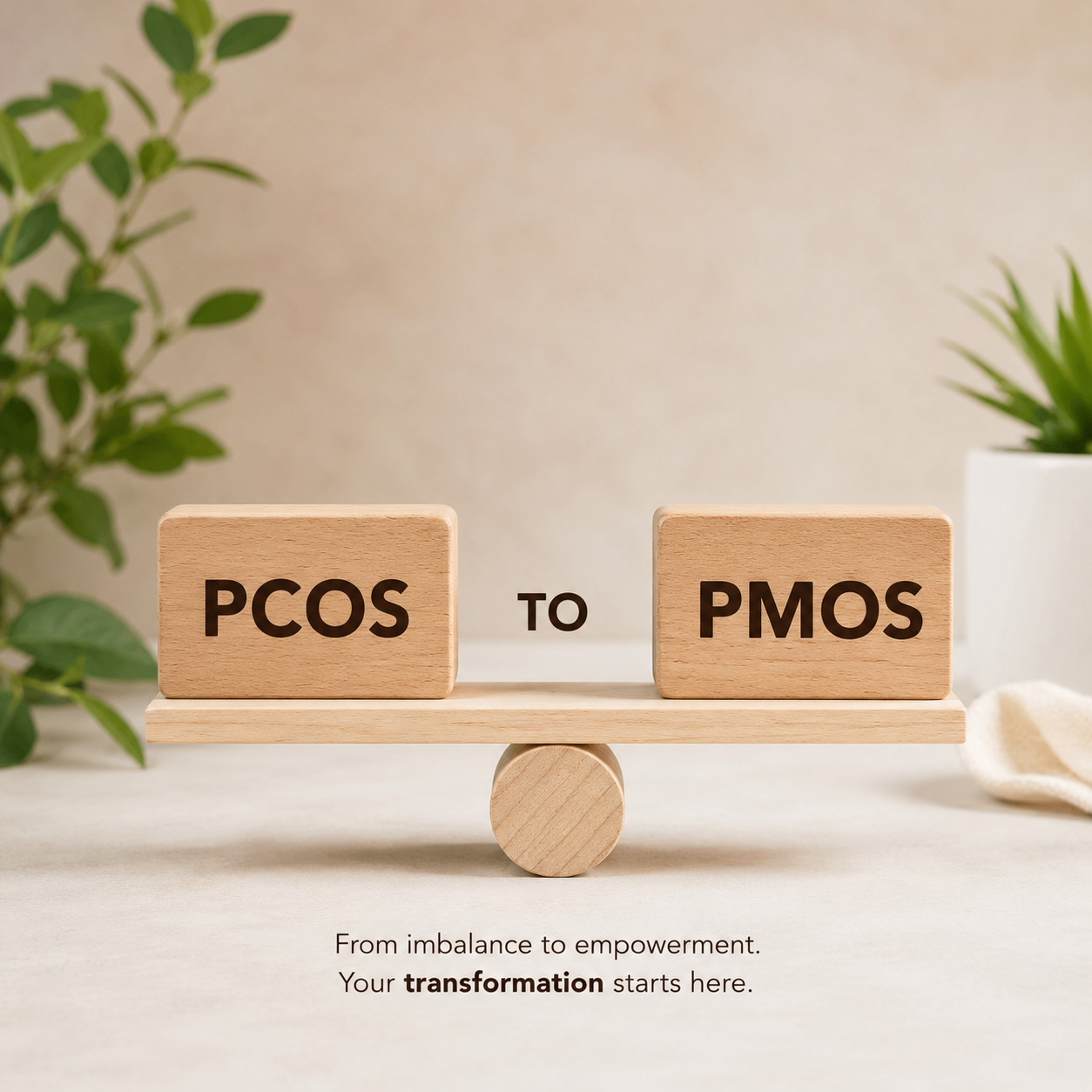
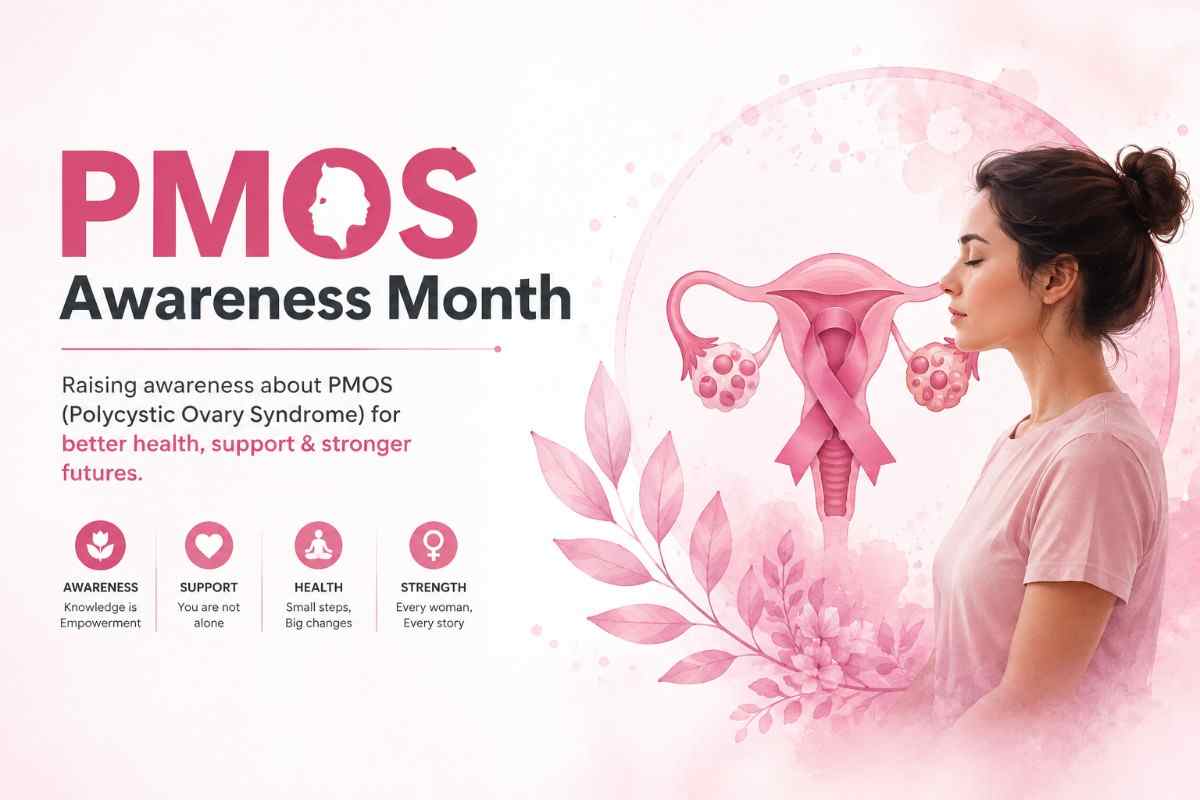
September is an important time to raise awareness about reproductive and hormonal health. PMOS Awareness Month provides an opportunity to educate women about Polycystic Ovary Morphology and related hormonal and reproductive health concerns.
Many women experience irregular periods, acne, unwanted hair growth, weight changes, or difficulty conceiving without understanding the possible reasons behind these symptoms. Increased awareness can encourage timely medical consultation, early diagnosis, and appropriate care.
At Vriksh Fertility, we believe that awareness and accurate information can help individuals make confident decisions about their reproductive health.
What Is PMOS?
PMOS refers to Polycystic Ovary Morphology, a term used to describe an ovarian appearance in which multiple small follicles may be visible on an ultrasound scan.
It is important to understand that having polycystic ovarian morphology does not automatically mean that a woman has a hormonal disorder or will experience fertility problems. Ultrasound findings should always be evaluated along with menstrual history, symptoms, hormone levels, and overall health.
Every woman's body is different. Some women may have no noticeable symptoms, while others may experience hormonal or menstrual irregularities that require medical attention.
This is why awareness and professional evaluation are essential.
Why PMOS Awareness Matters
Hormonal and reproductive health concerns are often surrounded by myths and misinformation. Many women may delay seeking medical advice because they believe irregular periods or other symptoms are normal or temporary.
PMOS Awareness Month encourages open conversations about:
- Menstrual health
- Hormonal balance
- Ovulation
- Fertility
- Healthy lifestyle habits
- Early medical consultation
Understanding the body can help women identify potential concerns early and seek appropriate guidance.
Awareness is particularly important for women who are planning a pregnancy or experiencing difficulty conceiving.
Common Symptoms Associated With Hormonal and Ovulatory Concerns
Symptoms can vary significantly from person to person. Some women may experience only one symptom, while others may notice multiple changes.
Common concerns include:
1. Irregular Menstrual Periods
Periods that occur infrequently, unpredictably, or after long gaps may sometimes indicate irregular ovulation. Tracking the menstrual cycle can help identify patterns and provide useful information during a medical consultation.
2. Difficulty Identifying Ovulation
Regular ovulation plays an important role in natural conception. When ovulation does not occur consistently, becoming pregnant may take longer.
However, irregular ovulation does not mean pregnancy is impossible. Proper evaluation can help identify the cause and determine suitable treatment options.
3. Acne and Skin Changes
Hormonal fluctuations can affect the skin and may contribute to persistent acne in some individuals.
4. Excess Facial or Body Hair
Changes in hormone levels may sometimes lead to increased growth of coarse hair on the face, chest, abdomen, or other areas.
5. Weight Changes
Some women may find it challenging to maintain a healthy weight due to lifestyle, metabolic, or hormonal factors. A balanced approach involving nutrition, physical activity, and medical guidance can be beneficial.
It is important to remember that experiencing one or more of these symptoms does not confirm a specific condition. A healthcare professional can provide an accurate assessment.
PMOS and Fertility
One of the most common concerns surrounding PMOS is fertility.
For pregnancy to occur naturally, several factors need to work together. These include regular ovulation, healthy eggs, open fallopian tubes, a healthy uterus, and adequate sperm quality.
When ovulation is irregular, predicting the fertile window may become difficult. This can sometimes make conception more challenging.
The good news is that many women with ovulatory or hormonal concerns can achieve pregnancy with appropriate medical care.
Depending on an individual's situation, a fertility specialist may recommend:
- Lifestyle modifications
- Ovulation tracking
- Medication to support ovulation
- Timed intercourse
- Intrauterine insemination (IUI)
- In vitro fertilisation (IVF), when medically appropriate
The right treatment depends on several factors, including age, medical history, ovarian reserve, duration of infertility, and the reproductive health of both partners.
The Importance of Early Diagnosis
Early evaluation can help prevent unnecessary delays in treatment.
A fertility or gynaecology consultation may involve:
- Discussion of menstrual history
- Review of symptoms
- Ultrasound examination when appropriate
- Hormonal assessments
- Evaluation of ovulation
- Assessment of overall reproductive health
If a couple has been trying to conceive without success, evaluating both partners is important. Fertility is not solely a women's health issue, and male reproductive factors can also contribute to difficulties in conception.
Receiving the right diagnosis helps ensure that treatment is based on individual needs rather than assumptions.
Lifestyle and Reproductive Health
Lifestyle habits can play a supportive role in overall hormonal and reproductive health.
Eat a Balanced Diet
A nutritious diet containing vegetables, fruits, whole grains, protein, and healthy fats can support overall wellbeing. Instead of following extreme diets, focus on sustainable and balanced eating habits.
Stay Physically Active
Regular physical activity can support general health and help with weight management. Choose activities that you enjoy and can maintain consistently.
Prioritise Sleep
Adequate sleep is essential for physical and emotional wellbeing. Maintaining a regular sleep routine may also support healthy lifestyle habits.
Manage Stress
Stress is a normal part of life, but chronic stress can affect overall wellbeing. Yoga, meditation, walking, hobbies, and relaxation techniques may help manage stress levels.
Avoid Self-Medication
Hormonal medications and fertility supplements should not be taken without professional guidance. Every individual's health needs are different.
Breaking the Myths Around PMOS
Myth: PMOS Means You Cannot Get Pregnant
Fact: Many women with ovarian or ovulatory concerns can conceive naturally or with appropriate fertility treatment. Fertility outcomes depend on several individual factors.
Myth: Every Woman With Multiple Follicles Has the Same Condition
Fact: Ultrasound findings alone do not provide a complete diagnosis. Medical history and other clinical factors are important.
Myth: Irregular Periods Should Always Be Ignored
Fact: Persistent menstrual irregularities should be discussed with a qualified healthcare professional.
Myth: Fertility Problems Are Always Caused by Women
Fact: Fertility challenges can involve female factors, male factors, both partners, or unexplained causes.
Myth: There Is Only One Treatment for Everyone
Fact: Fertility care should be personalised according to an individual's medical condition and reproductive goals.
When Should You Consult a Doctor?
Consider speaking with a gynaecologist or fertility specialist if you experience:
- Persistent irregular or absent periods
- Difficulty identifying ovulation
- Significant hormonal symptoms
- Concerns about reproductive health
- Difficulty conceiving
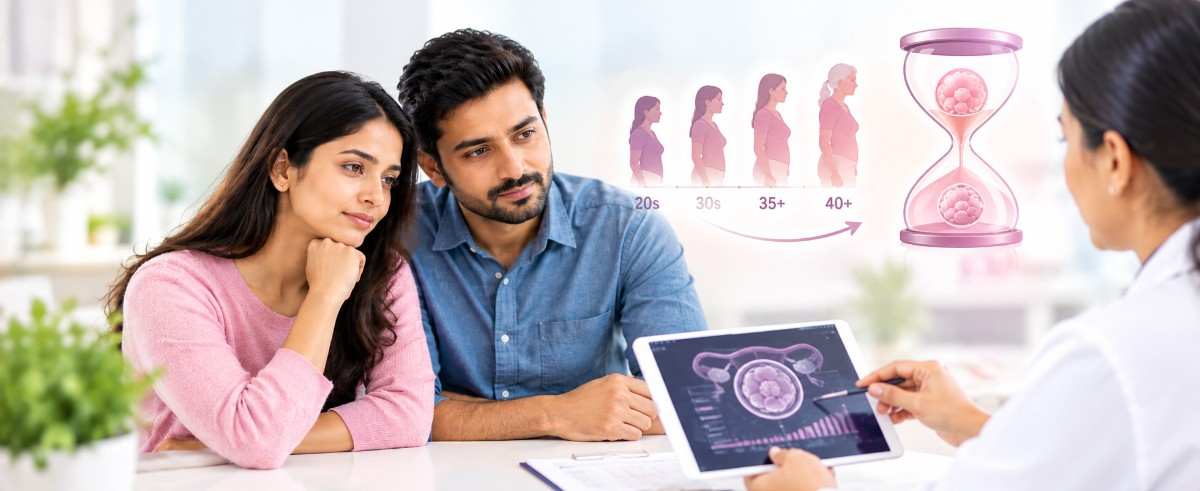
Women under 35 who have been trying to conceive for a year without success may benefit from a fertility evaluation. Women aged 35 and above may consider seeking advice sooner, particularly if they have known menstrual or reproductive health concerns.
Individual circumstances can vary, so professional guidance is always valuable.
PMOS Awareness Month: Knowledge Is Empowerment
PMOS Awareness Month is about more than understanding medical terminology. It is about encouraging women to listen to their bodies, ask questions, and seek accurate information.
Reproductive health should never be surrounded by fear or shame. Open conversations can help people recognise symptoms, challenge myths, and access appropriate care.
If you are experiencing menstrual irregularities or have concerns about your fertility, remember that early consultation can provide clarity and reassurance.
Every fertility journey is unique, and the first step is understanding your individual reproductive health.
At Vriksh Fertility, our team focuses on personalised fertility assessment and guidance to help individuals and couples make informed decisions about their reproductive journey.