For decades, the term PCOS (Polycystic Ovary Syndrome) has been a staple in women’s health conversations. It is a diagnosis that roughly 1 in 8 women globally carry, yet it has always been shrouded in a bit of a linguistic mystery. Does every woman with the condition have cysts? (No). Is it just about the ovaries? (Hardly).
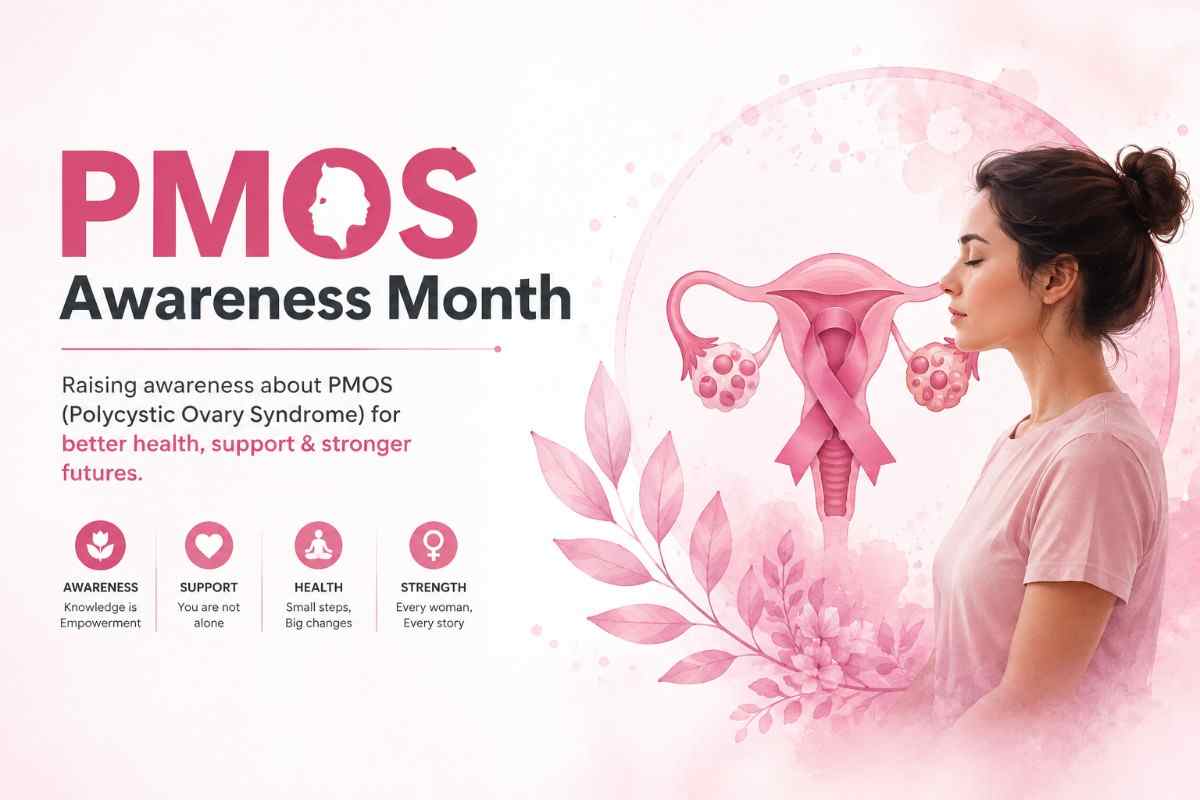
As of May 12, 2026, the medical community has officially taken a massive leap toward clarity. Following a global consensus published in The Lancet and announced at the European Congress of Endocrinology, PCOS has been renamed to Polyendocrine Metabolic Ovarian Syndrome (PMOS).
This isn't just a semantic tweak; it is a fundamental shift in how we view, treat, and live with this complex condition. Here is everything you need to know about the transition from PCOS to PMOS.
Why the Change? The Problem with "Polycystic"
The primary driver behind this name change is scientific accuracy. For years, patients and doctors alike have been frustrated by the "polycystic" label.
- The "Cyst" Myth: In reality, the "cysts" seen on ultrasounds in women with this condition are actually tiny, immature follicles—not the fluid-filled sacs most people think of when they hear the word "cyst."
- Missing the Big Picture: By focusing on the ovaries, the old name ignored the fact that this is a multisystem disorder. It affects insulin levels, heart health, skin, and mental well-being.
- Diagnosis Delays: Many women were told they didn't have PCOS simply because they didn't have "cysts" on their ovaries at the time of their scan, despite having every other hormonal symptom.
By rebranding to PMOS, the medical community is finally acknowledging that this is a whole-body endocrine issue.
Breaking Down the New Name: What Does PMOS Stand For?
To understand the new name, we have to look at the three pillars that make up the acronym:
- Polyendocrine: This highlights that multiple hormones are involved. It’s not just about estrogen or testosterone; it involves a complex dance of insulin, cortisol, and androgens.
- Metabolic: This is arguably the most important addition. It acknowledges the high risk of insulin resistance, weight gain, type 2 diabetes, and cardiovascular issues that often accompany the condition.
- Ovarian: While the condition is whole-body, the ovaries remain a key player in the reproductive and hormonal symptoms, so they still have a place in the title.
What Does This Mean for Your Health?
If you have been living with a PCOS diagnosis, you might wonder how this change impacts your day-to-day life.
Better Specialized Care Under the PMOS framework, your doctor is more likely to look beyond your period. Instead of just prescribing a birth control pill to "fix" your cycle, the new name encourages a multidisciplinary approach. You might see an endocrinologist for your insulin, a nutritionist for metabolic health, and a dermatologist for skin concerns, all working under the same umbrella.
Reduced Stigma and Confusion The word "cyst" often carries a scary connotation or implies a need for surgery. By removing it, the name PMOS reduces the surgical stigma and focuses on hormonal management. It also helps women who have "lean PCOS" (now lean PMOS) feel more seen, as the metabolic component is recognized regardless of weight.
Earlier Intervention Because PMOS emphasizes the "metabolic" aspect, there will be a stronger push for early screening for heart disease and diabetes. This shift could potentially save lives by catching cardiovascular risks in women in their 20s and 30s rather than waiting until menopause.
The Transition Period
Don’t expect the term PCOS to vanish overnight. A three-year implementation plan is currently underway. While researchers and top-tier medical journals have already made the switch, it will take time for local clinics, insurance codes, and patient support groups to update their materials. By 2028, PMOS is expected to be the standard global term used in all international guidelines.
Conclusion:
The shift to Polyendocrine Metabolic Ovarian Syndrome is a victory for patient advocacy. It proves that the medical world is finally listening to the 170 million women who have long said their condition is about more than just their ovaries. PMOS is a name that offers hope, accuracy, and a clearer path to a healthier future.