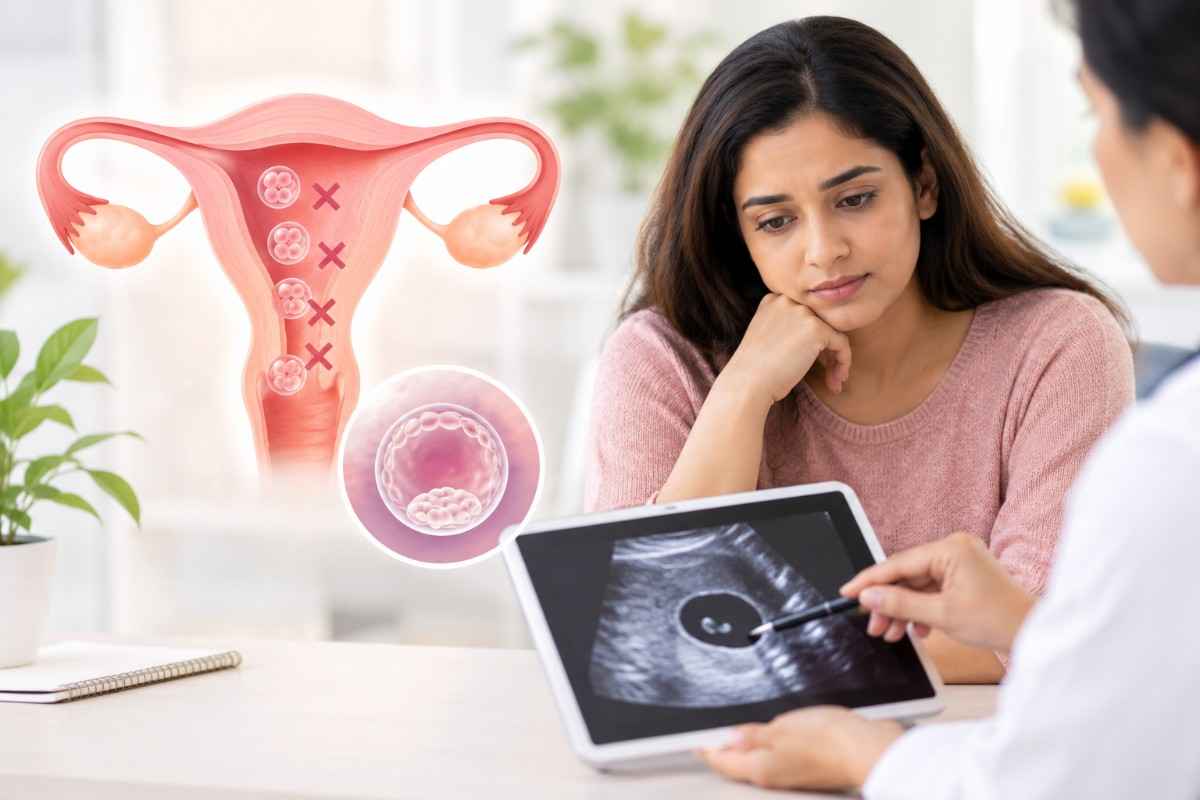

When you are planning a pregnancy, fertility is influenced by much more than timing intercourse or tracking ovulation. Everyday habits, nutrition, sleep, stress, medications, medical conditions, and reproductive health can all play a role.
The good news is that many fertility-supportive habits are simple and practical. Both partners can take steps to create healthier conditions for conception and, when needed, seek timely medical advice.
The idea of “fertility maximizing” is not about following a perfect routine. It is about identifying factors that may affect reproductive health and making sensible changes that support overall well-being.
The key areas highlighted in the accompanying fertility guide include lifestyle, nutrition, medical conditions, medications, reproductive health, sleep, exercise, and healthy weight.
Fertility Maximizing for Men
Male fertility depends on sperm production, sperm quality, hormone balance, and the health of the reproductive system. Lifestyle changes can be particularly helpful because sperm production is influenced by several environmental and health factors.
1. Avoid Excessive Heat
Testicles function best at a temperature slightly lower than core body temperature. Frequent exposure to excessive heat may affect sperm production in some men.
If you are trying to conceive, it may be sensible to avoid prolonged exposure to hot tubs and other sources of excessive heat. Keeping a laptop directly on the lap for long periods may also be avoided.
2. Avoid Anabolic Steroids
Anabolic steroids and testosterone taken without appropriate medical supervision can interfere with the body's natural hormone signals responsible for sperm production.
A man may have good muscle development while experiencing significantly reduced sperm production. Anyone using testosterone or anabolic steroids who is planning a pregnancy should discuss this with a qualified doctor rather than stopping or changing medication independently.
3. Review Medications
Some prescription and non-prescription medicines can influence fertility. This does not mean that you should stop prescribed medication on your own.
Instead, tell your doctor that you are planning a pregnancy and ask whether any current medicines could affect sperm production or reproductive health.
4. Check for Varicocele
A varicocele is an enlargement of veins around the testicle. In some men, it can be associated with impaired sperm production or quality.
Not every varicocele requires treatment. A fertility specialist or urologist can assess whether further evaluation or treatment is appropriate.
5. Treat Infections and Manage Diabetes
Certain infections and poorly controlled health conditions may affect reproductive health. Diabetes, for example, can have effects on sexual and reproductive function when it is not well controlled.
Managing underlying conditions and seeking treatment for suspected infections can therefore be an important part of fertility preparation.
6. Avoid Smoking and Limit Alcohol
Smoking is associated with poorer reproductive health and can negatively affect sperm parameters. Reducing or quitting smoking is a worthwhile step for anyone preparing for parenthood.
Limiting alcohol intake can also support healthier lifestyle habits.
7. Prioritize Sleep and Healthy Weight
Sleep is essential for overall health and hormone regulation. Consistently poor sleep may make it harder to maintain healthy lifestyle patterns.
Similarly, being significantly underweight or overweight can affect metabolic and hormonal health. Aim for a sustainable, healthy weight rather than extreme dieting.
8. Choose an Antioxidant-Rich Diet and Exercise Regularly
A balanced diet containing vegetables, fruits, whole grains, legumes, nuts, seeds, and adequate protein provides important nutrients for overall health.
Regular moderate exercise can also support cardiovascular and metabolic health. However, excessive or extreme training without adequate recovery may not be beneficial.
Fertility Maximizing for Women
Female fertility is influenced by age, ovulation, ovarian reserve, reproductive anatomy, hormonal health, and several lifestyle and medical factors. Preparing for pregnancy provides an opportunity to identify and address potentially modifiable issues.
1. Check Vitamin D and Thyroid Health When Appropriate
Vitamin D status and thyroid function can be relevant to reproductive health. If you have symptoms, a known condition, previous fertility difficulties, or a doctor's recommendation, appropriate testing can help identify issues that may need attention.
Testing should be individualized rather than assuming that every person needs every fertility test.
2. Treat Iron Deficiency
Iron deficiency can occur in women, particularly those with heavy menstrual bleeding or inadequate dietary intake. If deficiency is suspected, appropriate blood tests can help confirm it.
Treatment should be based on medical advice because the correct dose and duration of iron supplementation depend on the individual's situation.
3. Understand and Track Ovulation
Ovulation is central to natural conception. Understanding your menstrual cycle can help identify the fertile window.
Methods such as cycle tracking, ovulation predictor kits, cervical mucus changes, and medical ultrasound can sometimes be used depending on the situation.
If periods are very irregular or ovulation is difficult to identify, speaking with a fertility specialist can help determine the underlying cause.
4. Understand AMH in the Right Context
AMH, or Anti-Müllerian Hormone, is commonly used as one indicator of ovarian reserve.
However, AMH is not a simple fertility score and does not by itself predict whether someone will conceive naturally. It is most useful when interpreted alongside age, menstrual history, ultrasound findings, and the overall clinical picture.
Testing should therefore be considered when medically indicated rather than used as a standalone measure of fertility.
5. Manage Insulin Resistance
Insulin resistance can be associated with metabolic and reproductive issues in some women, particularly when ovulation is irregular.
A healthy eating pattern, regular physical activity, appropriate weight management, and medical care when required can help improve metabolic health.
6. Review Medications Before Pregnancy
If you take regular medication, speak with your doctor before trying to conceive. Some medicines may need to be changed, adjusted, or avoided during pregnancy.
Never stop essential medication without medical guidance.
7. Treat Vaginal and Reproductive Tract Infections
Unusual discharge, itching, pain, burning, abnormal bleeding, or other symptoms should not be ignored.
Appropriate diagnosis and treatment of infections can help protect reproductive health. Avoid self-medicating based solely on symptoms.
8. Avoid Douching and Smoking
Vaginal douching is generally unnecessary and can disturb the normal vaginal environment. The vagina has its own natural mechanisms for maintaining balance.
Smoking is also an important modifiable factor. Quitting smoking can benefit general health as well as reproductive health.
9. Sleep, Stress Management, and Nutrition Matter
Preparing for pregnancy can be emotionally demanding. Chronic stress does not mean that pregnancy is impossible, but managing stress can make the fertility journey healthier and more sustainable.
Prioritize consistent sleep, regular movement, nutritious meals, and time for relaxation.
Folic acid is also an important part of preconception care. Women planning pregnancy should discuss the appropriate folic acid supplementation with their healthcare provider.
Fertility Maximizing Is a Team Effort
One of the most important messages for couples trying to conceive is that fertility should not automatically be considered a “woman's issue.”
Both partners contribute to conception, and fertility problems can involve male factors, female factors, a combination of both, or sometimes remain unexplained.
If pregnancy does not occur despite regular unprotected intercourse, or if there are known reproductive health concerns, seeking medical advice early can help identify the next appropriate steps.
A fertility evaluation may include medical history, physical examination, semen analysis, ovulation assessment, hormone testing, ultrasound, or other investigations depending on the couple's circumstances.
Small Changes Can Make a Difference
Fertility maximizing does not require an extreme lifestyle makeover. Start with realistic changes:
- Eat a balanced, nutrient-rich diet
- Maintain a healthy weight
- Exercise regularly without overtraining
- Prioritize consistent sleep
- Avoid smoking
- Limit alcohol
- Review medications with your doctor
- Manage diabetes and other chronic conditions
- Address reproductive infections promptly
- Track ovulation when appropriate
- Seek professional advice when fertility concerns arise
Most importantly, avoid relying on social-media fertility hacks or supplements without understanding whether they are appropriate for you.
Conclusion
Preparing for pregnancy is an opportunity for both partners to take better care of their reproductive and overall health. From avoiding excessive heat and anabolic steroids in men to monitoring ovulation, addressing nutritional deficiencies, and reviewing medications in women, several practical steps can support a healthier fertility journey.
However, fertility is highly individual. What works for one couple may not be appropriate for another. If you have been trying to conceive without success, have irregular periods, known reproductive conditions, previous fertility treatment, or concerns about sperm health, a personalized evaluation can provide much more useful information than general advice. Fertility maximizing is not about perfection it is about making informed, sustainable choices and getting the right medical guidance at the right time.