.jpeg)
Modern women are achieving remarkable milestones in education, careers, entrepreneurship, and personal growth. As priorities evolve, many women choose to delay parenthood until they feel emotionally, financially, and professionally prepared. While this decision is becoming increasingly common, it's equally important to understand how age affects fertility.
Fertility preservation offers women the opportunity to safeguard their reproductive potential while focusing on their personal and professional aspirations. Whether you're pursuing higher education, building your career, or simply waiting for the right time, fertility preservation can provide peace of mind and greater reproductive choices in the future.
In this blog, we'll explore what fertility preservation is, who can benefit from it, available options, and why early planning is essential.
What Is Fertility Preservation?
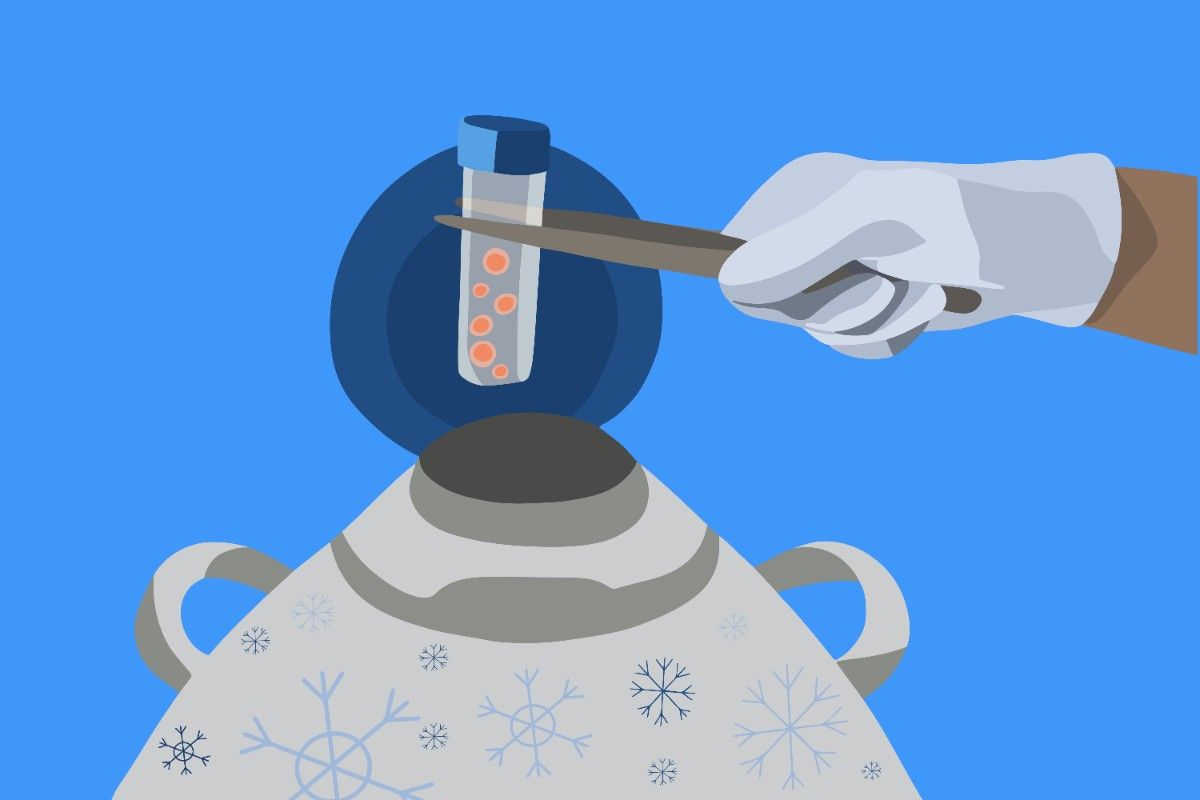
Fertility preservation refers to medical techniques used to preserve a woman's ability to have biological children in the future. The most common and effective method is egg freezing (oocyte cryopreservation), where healthy eggs are collected, frozen, and safely stored for future use.
When a woman is ready to start a family, these frozen eggs can be thawed, fertilized with sperm through IVF (In Vitro Fertilization), and transferred into the uterus.
Why Are More Career-Oriented Women Choosing Fertility Preservation?
Today's women often balance multiple life goals, including:
- Building a successful career
- Pursuing higher education
- Starting a business
- Achieving financial stability
- Waiting for the right life partner
- Personal growth and travel
While these goals are important, female fertility naturally declines with age. Fertility preservation provides flexibility by allowing women to preserve younger, healthier eggs before age-related decline occurs.
It offers reassurance that future family planning remains an option without feeling pressured by the biological clock.
Understanding Age and Fertility
A woman is born with all the eggs she will ever have. Over time:
- The number of eggs decreases.
- Egg quality gradually declines.
- Chromosomal abnormalities become more common.
- The chances of natural conception reduce.
- The risk of miscarriage increases.
Generally:
- Below 30 years: Excellent egg quality
- 30–34 years: Good fertility potential
- 35–37 years: Noticeable decline begins
- 38–40 years: Fertility decreases more rapidly
- Above 40 years: Significant reduction in egg quantity and quality
This is why fertility specialists often recommend considering fertility preservation before the age of 35 whenever possible.
Who Should Consider Fertility Preservation?
Fertility preservation may be suitable for women who:
1. Want to Delay Pregnancy
If you're not planning children in the next few years due to career or personal reasons, egg freezing can help preserve your future fertility.
2. Are Pursuing Higher Education
Medical school, research, doctoral studies, or overseas education often require years of commitment.
3. Are Building Their Career
Many women prefer achieving career stability before starting a family.
4. Haven't Found the Right Partner
Family planning doesn't always align with relationship timelines. Fertility preservation offers additional flexibility.
5. Have Medical Conditions
Women diagnosed with:
- Endometriosis
- PCOS (in selected cases)
- Autoimmune disorders
- Cancer requiring chemotherapy or radiation
may benefit from fertility preservation before treatment affects ovarian function.
6. Have a Family History of Early Menopause
Women whose mothers or sisters experienced early menopause may consider preserving fertility earlier.
Egg Freezing: The Most Common Fertility Preservation Method
Egg freezing has become a safe and well-established procedure worldwide.
Step 1: Fertility Evaluation
The fertility specialist performs:
- AMH test
- Ultrasound scan
- Hormonal evaluation
- General health assessment
Step 2: Ovarian Stimulation
Hormonal injections stimulate the ovaries to mature multiple eggs over 10–12 days.
Step 3: Egg Retrieval
The mature eggs are collected using a minimally invasive procedure under mild anesthesia.
Step 4: Freezing
Healthy mature eggs are rapidly frozen using advanced vitrification technology and stored safely in specialized fertility laboratories.
How Long Can Frozen Eggs Be Stored?
Frozen eggs can remain safely preserved for many years without significant loss of quality when stored under appropriate conditions.
Many women successfully use eggs frozen years earlier to achieve healthy pregnancies through IVF.
Benefits of Fertility Preservation
Greater Reproductive Freedom
Women gain more flexibility in deciding when to start a family.
Better Pregnancy Potential
Freezing eggs at a younger age preserves better-quality eggs, improving future success rates.
Reduced Anxiety
Knowing fertility has been preserved can reduce the stress associated with age-related fertility decline.
Supports Career Goals
Women can confidently pursue professional opportunities without feeling rushed into parenthood.
Future Family Planning Options
Egg freezing keeps biological parenthood as a future possibility even if circumstances change later.
Is Fertility Preservation Right for Everyone?
While fertility preservation offers many advantages, it doesn't guarantee a future pregnancy.
Success depends on several factors:
- Age at Egg Freezing
- Number of eggs frozen
- Egg Quality
- Overall Reproductive Health
- Future IVF outcomes
Consulting a fertility specialist helps determine whether fertility preservation aligns with your individual goals and medical history.
When Is the Best Time to Freeze Eggs?
Although egg freezing can be performed later, the ideal age is generally between 28 and 35 years, when egg quality and quantity are usually at their best.
Women over 35 can still benefit, but success rates may vary depending on ovarian reserve and overall health.
The earlier the preservation, the greater the likelihood of having healthy eggs available in the future.
Common Myths About Fertility Preservation
Myth 1: Egg freezing guarantees pregnancy.
Fact: Egg freezing improves future reproductive options but cannot guarantee pregnancy.
Myth 2: Only women with infertility need fertility preservation.
Fact: Many healthy women choose egg freezing for personal or career planning.
Myth 3: Pregnancy after frozen eggs is unsafe.
Fact: Research shows that pregnancies from frozen eggs are generally as safe as those from fresh eggs when managed by experienced fertility specialists.
Myth 4: Egg freezing affects future fertility.
Fact: The procedure does not reduce your natural ability to conceive later.
Emotional Benefits of Fertility Preservation
Beyond medical advantages, fertility preservation provides emotional reassurance.
Many women report feeling:
- More confident about future family planning
- Less pressured by age-related fertility concerns
- Better able to focus on personal and professional goals
- Empowered to make informed reproductive decisions
Knowing that an important future option has been preserved often brings significant peace of mind.
Conclusion
Choosing when to become a parent is one of life's most personal decisions. Fertility preservation empowers career-oriented women to take control of their reproductive future while pursuing education, career growth, financial independence, or personal aspirations.
Although fertility naturally declines with age, advancements in reproductive medicine have made it possible to preserve fertility safely and effectively. Early consultation with a fertility specialist can help you understand your fertility health and determine whether egg freezing is the right option for your future plans.
Planning ahead today may provide greater flexibility and confidence when you're ready to build your family tomorrow.