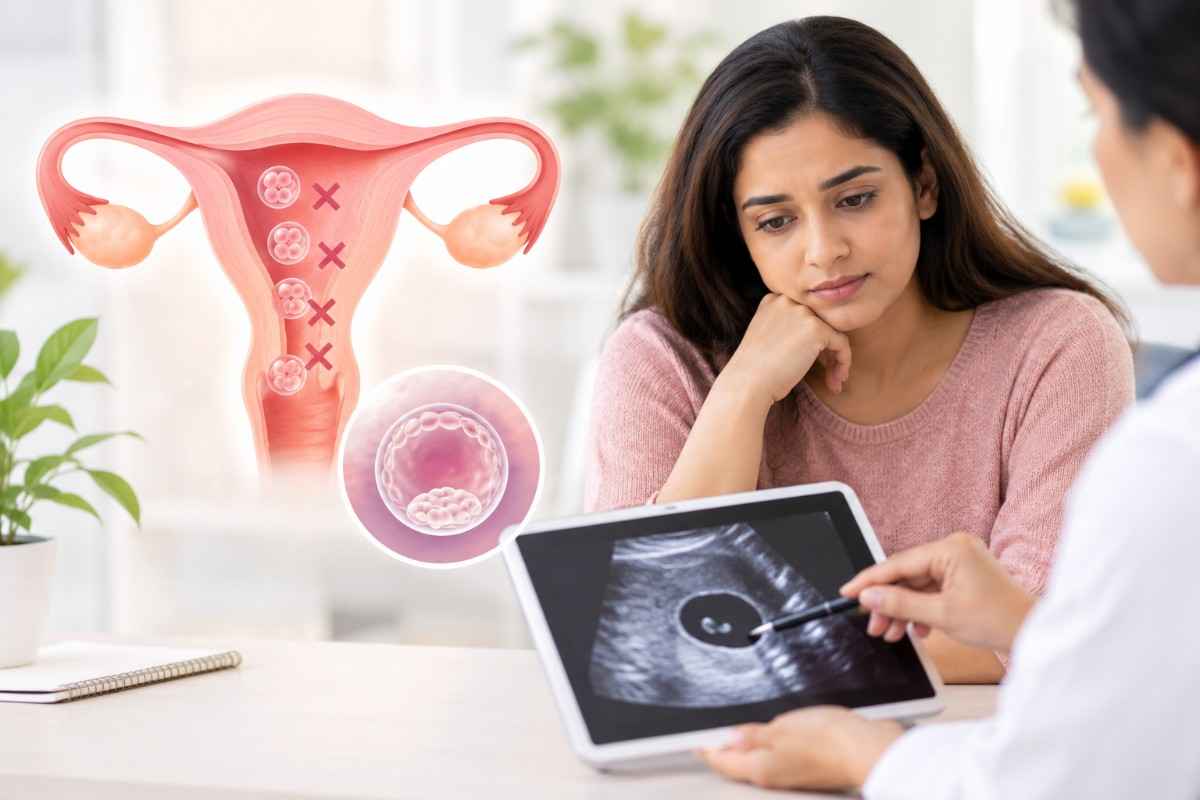

Understanding Repeated IVF Failure
Failure of IVF cycles typically refers to the situation where the couple is unable to conceive after two or more cycles of IVF that are done in the best possible manner and using quality embryos. Even when fertilization is possible, the embryos might not implant in the uterus or, in some instances, early pregnancy loss could occur. Very often, concealed male factors are the cause for such repeated failures.
The Impact of Male Factors on IVF Results
Even if a routine semen analysis looks normal, deeper sperm-related problems can still lead to IVF failure. Advanced testing often detects issues that impact the development and implantation of embryos.,Some key male factors include: High sperm DNA fragmentation, poor sperm motility or morphology, low sperm count, genetic abnormalities, oxidative stress impacting sperm quality, and undetected infections or inflammation,These factors may result in miscarriage, low embryo quality, delayed embryo development, or unsuccessful implantation.,High sperm DNA fragmentation is commonly linked to:,Smoking and alcohol use,Varicocele,Chronic stress,Infections,Advanced male age,Exposure to heat or toxins,Testing for sperm DNA fragmentation is especially important in couples with repeated IVF failure.
Varicocele and Infections
Varicocele, an enlargement of veins in the scrotum, causes an increase in the temperature of the testes, resulting in testicular oxidative stress and poor quality of sperm. Surgery for varicocele can improve the chances of success of IVF in selected patients.,Similarly, infections of the genital tract may also affect the sperm and impair the rate of fertility and implantation. It is also imperative to get the right diagnosis and treatment before proceeding with another cycle for IVF.
Genetic Factors and IVF Failure
Genetic anomalies in sperm cells, like chromosomal anomalies, may impair the development of the embryo or lead to failed implantations. Genetic analysis of the male sperm cells would be considered if the sperm anomalies are severe or if the IVF procedure has failed.,In certain cases, pre-implantation genetic testing, or PGT, of the embryo may be recommended to increase the potential for a healthy pregnancy.
Options for Treating Male Factors
A customised treatment plan is essential for patients in which male factors are involved in the failure of IVF cycles.
Lifestyle Changes
Easy lifestyle modifications can decrease oxidative stress and help promote healthy sperm:,Quit smoking, or cut down alcohol intake,Keep a healthy weight,Reduce Stress,Adhere to a balanced diet,Avoid excessive heat exposure
Medical & Surgical Care
Antioxidant treatment of DNA damage,Hormonal therapy, as needed,Varicocele repair,Antibiotics for infections
Advanced Fertility Techniques
ICSI (Intracytoplasmic Sperm Injection) for severe male infertility,Use of advanced sperm selection techniques,Surgical sperm retrieval from the testes when ejaculated sperm quality is poor
A Holistic Approach to Improving IVF Success
Repeated IVF failure does not mean there is no hope. Addressing male factors alongside female factors significantly improves success rates. A comprehensive evaluation of both partners, advanced diagnostics, and a tailored treatment plan are essential for achieving pregnancy.
Conclusion
One significant but sometimes overlooked cause of recurrent IVF failure is male factors. Many couples go on to have successful pregnancies with the appropriate diagnosis and focused therapy. Before trying another cycle, if you have had several IVF failures, speak with a fertility specialist at Vriksh Fertility about male infertility evaluation and treatment options.